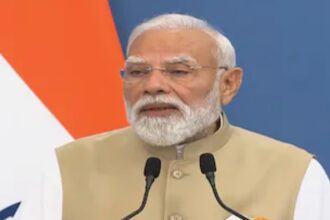
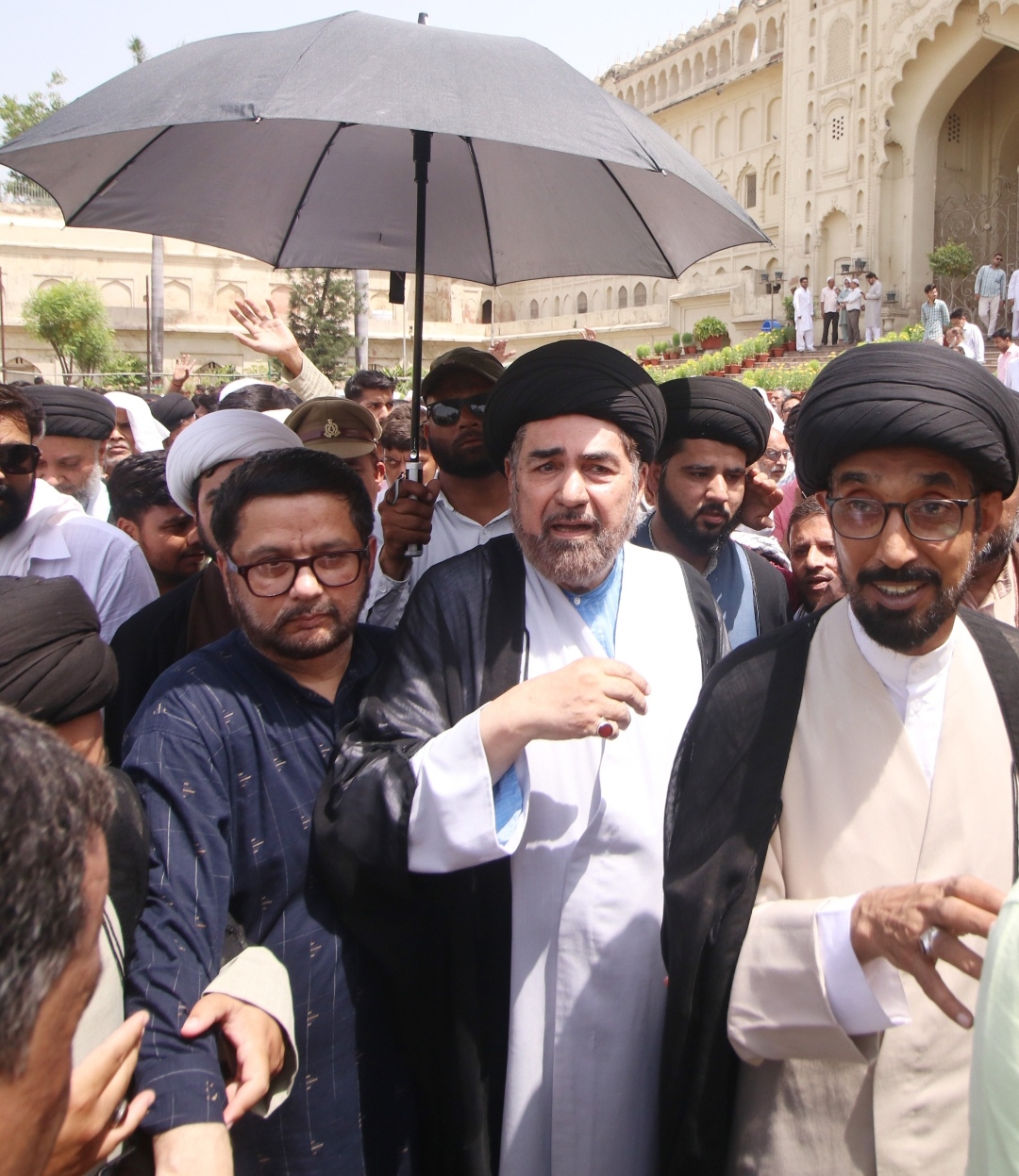
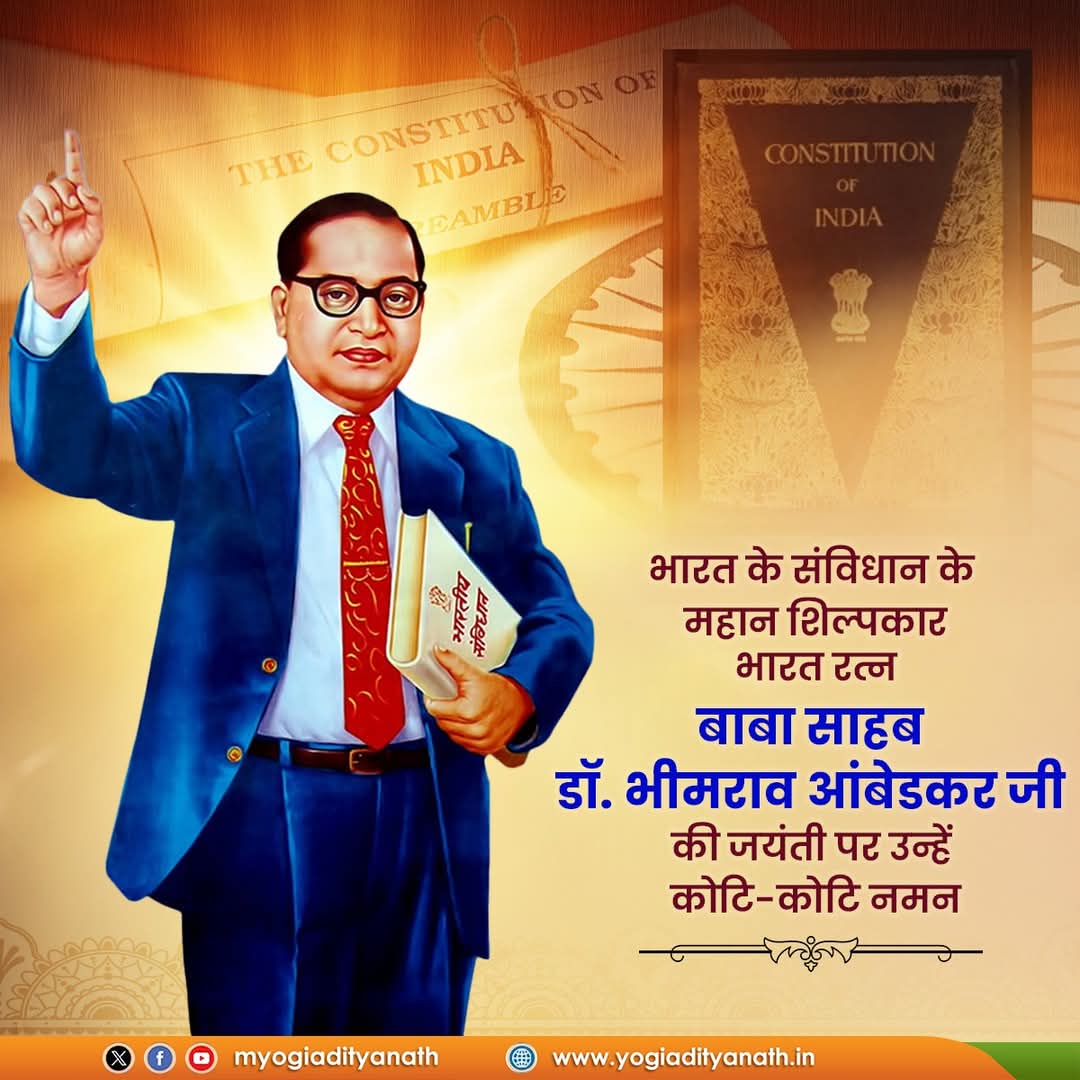
.Today, on April 14, 2025, India celebrates the 135th birth anniversary of Dr. Bhimrao Ambedkar—our Constitution’s architect, the nation’s first Law Minister, and a pioneer of social revolution—as a festival of inspiration. The President, Prime Minister, Union Ministers, opposition leaders, governors, chief ministers, and 1.4 billion citizens unite to honor Babasaheb’s dream that gave India the foundation of unity, equality, and justice.
Babasaheb’s vision of India is not merely a document but a tapestry woven with threads of humanity, religious harmony, social equality, development, and security. This article elaborates on that dream, which continues to live in our hearts and inspires us.
The Birth of a Dream Amid Childhood Struggles
Born into a middle-class Dalit family in Mhow, Madhya Pradesh, Bhimrao’s father, Shri Ramji Sakpal, was a Subedar in the British Army, and his mother, Bhimabai, was a devout and inspiring woman. From childhood, Bhim faced the bitter sting of discrimination. Despite his brilliance in school, where he once won a prize for outstanding performance, he was forced to sit apart from other children. To drink water, he relied on a peon’s help, as the walls of untouchability insulted even his thirst.
These experiences left deep scars on young Bhim’s heart but also sparked the birth of his dream—a India free from discrimination, where every individual is respected and granted equal opportunities.
The Constitution: The Foundation of Babasaheb’s Dream
When tasked with drafting India’s Constitution after independence, Babasaheb transformed his childhood pain into a creative force. His Constitution did not merely define India as a geographical entity but established it as a value-based nation. A symbol of national unity and equality, it guarantees every citizen equal rights, irrespective of caste, religion, gender, or social status. Articles 14 to 18 ensure equality and protection against discrimination, while Articles 25 to 28 safeguard religious and cultural freedom. Babasaheb advocated for minority rights, ensuring every community’s voice resonates in the Constitution.
Social Unity: Ending the Caste System
In his seminal work Annihilation of Caste, Babasaheb exposed the evils of the caste system. He believed India’s progress was impossible until social ills like caste discrimination and untouchability were eradicated. He dreamed of an India where respect is earned through merit and deeds, not birth. Today, India strides toward realizing this vision through government schemes, educational reservations, and efforts for social inclusion, keeping Babasaheb’s dream alive.
Religious Unity: A Message of Coexistence
Babasaheb’s India is a beacon of religious harmony. He emphasized the coexistence of all faiths and embedded secularism in the Constitution. He believed religion is a matter of personal faith but should never obstruct social unity. Today, Hindus, Muslims, Sikhs, Christians, Buddhists, Jains, and others together strengthen Babasaheb’s dream of India. His embrace of Buddhism reflects his deep commitment to humanity and compassion.
Development and Prosperity: Every Citizen’s Right
Babasaheb’s dream extended beyond social justice to economic prosperity and education. He believed equality remains incomplete without education and economic independence. Today, India’s digital revolution, startup culture, and global presence embody his vision of development. However, we must ensure this progress reaches every village, street, and individual, as Babasaheb envisioned.
Defense and Security: A Strong Nation
Babasaheb imagined an India united internally and secure from external threats. His Constitution provides a robust framework that upholds the rule of law and national integrity. Today, the Indian Army, police, and security forces stand ready to protect Babasaheb’s dream. True security, however, lies in ensuring every citizen feels socially, economically, and emotionally secure.
Our Pledge: Safeguarding Babasaheb’s Dream
The 1.4 billion Indians pledge to never let Babasaheb’s dream fade. We cherish the Constitution as our soul, guiding us on the path of unity, equality, and justice. No matter the sacrifices, we will ensure India becomes the nation Babasaheb envisioned—a land where every head is held high, love and brotherhood bind every heart, and the blend of development and humanity illuminates every life.
In Conclusion: An Inspiration, A Message
Babasaheb Ambedkar is not just a person but an idea. His life teaches us that with determination and compassion, even the toughest circumstances can be overcome to change the world. As we celebrate his 135th birth anniversary, let us pledge to not only preserve his dream of India but to make it stronger and more prosperous. This India belongs not only to its 1.4 billion citizens but is a beacon of humanity that can illuminate the world.
Jai Hind! Jai Bhim!
Dr. Babasaheb Ambedkar’s Dream of India: A Vision of Unity, Equality, and Humanity By Shabu Zaidi
Previous ArticleNext Article
Attraversa il percorso più adrenalinico con Chicken Road 2 e metti alla prova la tua strategia per portare la gallina vincente indenne fino al tesoro finale, approfittando di un ritorno al giocatore del 98% e ricompense dorate.
अखिलेश यादव का बयान: सामाजिक न्याय के राज की स्थापना का संकल्प