







What is the ‘Vande Mataram Bill’? Has the Modi Government Returned to the Pitch of Nationalism to Shift Focus from the NEET Controversy?
Facing mounting criticism over the NEET controversy, the Central Government has introduced the ‘Vande Mataram Bill’ in an apparent attempt to break the parliamentary deadlock. With this proposed amendment in 2026, is the BJP preparing to counter the opposition by returning to the politics of cultural nationalism? Here’s a closer look at the political strategy surrounding India’s iconic national song, which has echoed from public rallies to space missions.
—
Government Approves Tougher Anti-Paper Leak Bill: Up to 10 Years in Jail and ₹10 Crore Fine
By Shabu Zaidi
New Delhi, July 24
Amid nationwide student protests and growing public pressure over repeated examination paper leaks, the Central Government has taken a major step toward strengthening the legal framework against such crimes.
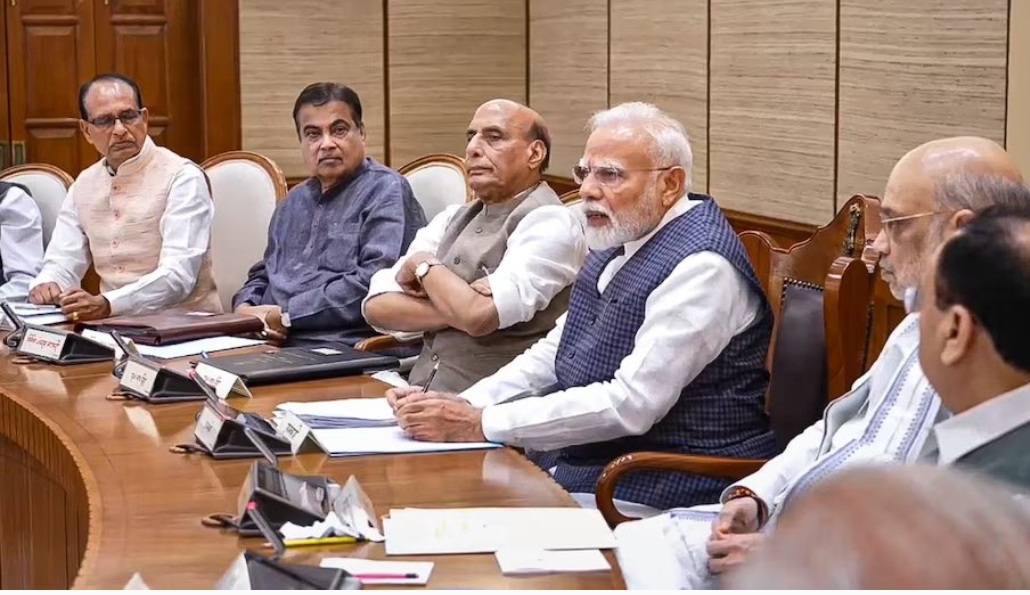
On Friday, the Union Cabinet, chaired by Prime Minister Narendra Modi, approved the draft of a revised Anti-Paper Leak Bill. Prior to the Cabinet meeting, the Cabinet Committee on Security (CCS) and the Cabinet Committee on Economic Affairs (CCEA) also met and cleared the proposal for a stricter law.
Key Proposed Provisions
– Up to 10 years’ imprisonment for those involved in paper leaks.
– A fine of up to ₹10 crore for convicted offenders.
– Strict action against organized criminal networks, solver gangs, and those using technology to facilitate paper leaks.
– New legal provisions aimed at enhancing the security, transparency, and integrity of examination processes.
Government Responds After Student Protests
For several days, students across India have been protesting against repeated examination paper leaks, with major demonstrations held at Jantar Mantar and other locations.
During this period, social activist Sonam Wangchuk ended his 26-day hunger strike after Prime Minister Narendra Modi assured that the government would introduce stringent legislation to prevent such incidents in the future.
The Prime Minister stated, “Nothing is more important than our students and youth,” while emphasizing the government’s commitment to protecting the future of young aspirants through stronger legal measures.
What Happens Next?
Following Cabinet approval, the revised bill will be introduced in Parliament. Once passed by both Houses and approved by the President, it will become law across India.
According to the government, the objective of the proposed legislation is to restore the credibility of recruitment and competitive examinations, safeguard students’ futures, and effectively dismantle examination mafias responsible for paper leak scandals.