New Delhi/Lucknow: Demand for release of allegedly innocent Shia Indians held in Arab countries — Maulana Yasub Abbas writes to Prime Minister
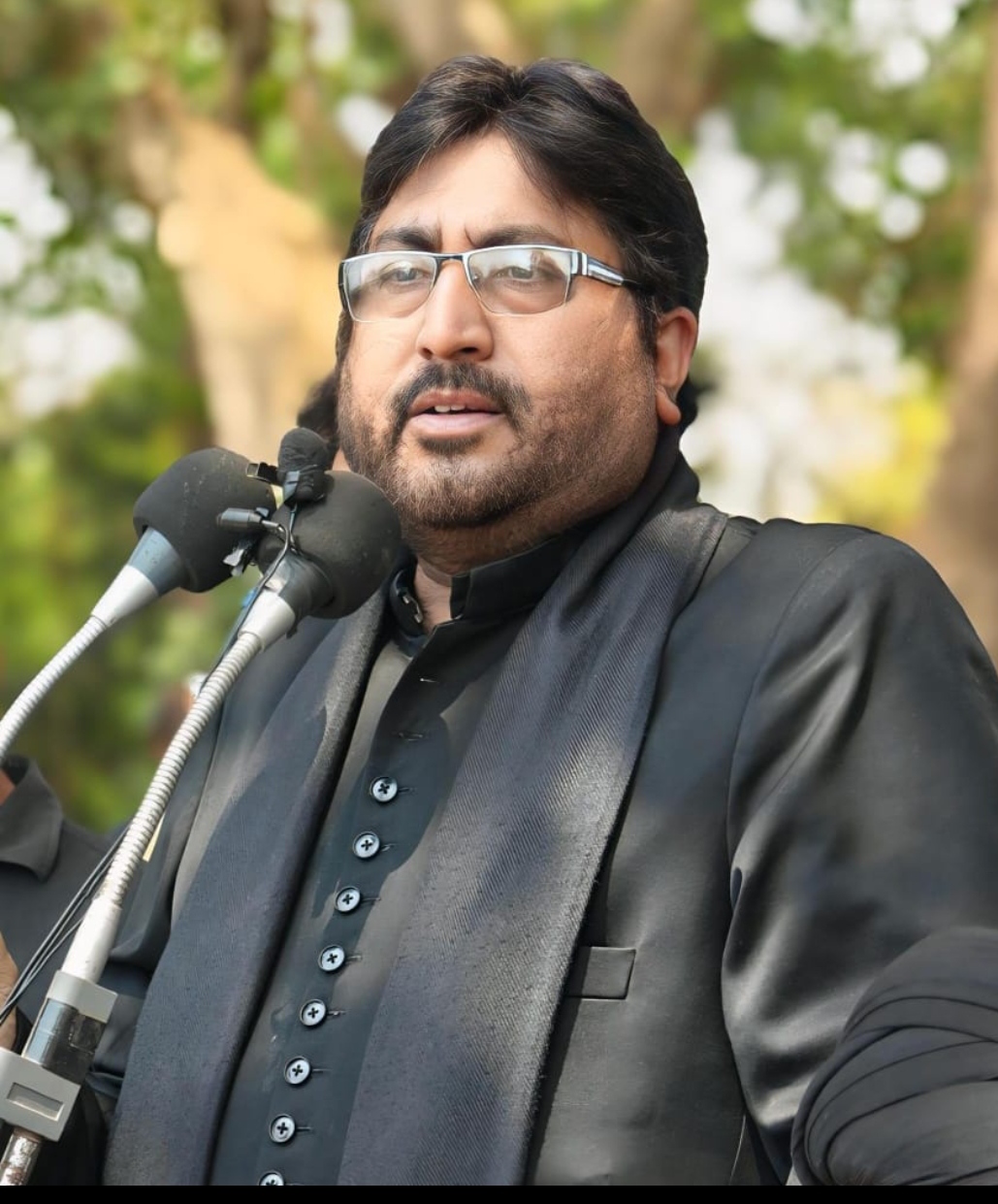
Maulana Yasub Abbas, General Secretary of the All India Shia Personal Law Board and a Shia religious leader, has written to Prime Minister Narendra Modi urging immediate action to secure the safety and repatriation of Shia Indian citizens reportedly detained in Saudi Arabia and other Arab countries. Maulana Yasub said these Indians went abroad only for work and a better future and are being targeted because of their religious beliefs (aqeeda), which amounts to a violation of human rights.
Key points of the letter
Maulana Yasub Abbas wrote that hundreds of Shia Indian citizens have been detained in those countries on the basis of their religious identity, and in several cases there are allegations of mistreatment.
He said families have repeatedly tried to contact the government and Indian missions, but satisfactory assistance has so far been limited.
Maulana expressed concern that if the situation remains unchecked, fear and instability could grow among the affected families and the broader community.
Requests made to the government
An urgent appeal to the Prime Minister to intervene, using India’s foreign policy and bilateral relations to initiate talks with the concerned countries for the release of the detained Indians.
Activate the Ministry of External Affairs and Indian embassies to provide legal, consular and humanitarian assistance.
Ensure the immediate release and repatriation of individuals against whom there are no concrete criminal charges.
Provide continuous information and support to families of those who require legal assistance.
Families’ anguish and community reactions
In his letter Maulana described the emotional anguish of affected families and said hundreds of families are living in fear day and night about their loved ones’ safety. Many families have complained that they did not receive adequate help despite contacting embassies and local authorities.
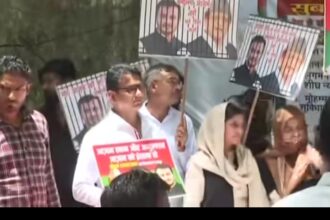
Local Shia organizations and religious institutions have also demanded swift and decisive government action. Some groups have called for intervention by human rights organizations and international bodies.
Role of the Ministry of External Affairs and embassies
Maulana urged the Ministry of External Affairs to press the governments of the concerned countries for transparency in legal processes and humane treatment, and to ensure that Indian missions provide appropriate legal and consular assistance to those detained.
He also requested that embassies keep affected families informed periodically to reduce uncertainty.
Diplomatic challenges and possible approaches
Experts say that in such cases the government needs a mix of diplomatic, legal and bilateral pressure to secure a resolution. This may include sensitive talks with the concerned countries, case-by-case legal assistance, and, where required, engagement with international human rights bodies.
For India the challenge is to protect its citizens while maintaining effective dialogue without adversely affecting bilateral relations.
List attached by Maulana and next steps
Maulana Yasub Abbas has attached a list of affected individuals whose names and details he wished to bring to the Prime Minister’s attention.
He requested the government to verify the list and take prompt action, including seeking clear reports on the detainees’ status from the relevant Indian missions.
Government response and the way forward
As of this report, there has been no official comment from the government or the Ministry of External Affairs. It is expected that the ministry will soon review the situation and seek detailed information from its missions in the relevant countries.
If the government intervenes actively, steps may include diplomatic engagement, consular assistance and, if necessary, high-level talks.
Local and international reactions
Shia organizations have welcomed the letter and reiterated their demand for swift and effective action by the authorities. Some human rights groups are monitoring the case and have indicated they may offer support if needed.
International pressure and media coverage often play a decisive role in such cases, potentially increasing the chances of safe release and repatriation of the affected individuals.