Tension continues in the Middle East over the Strait of Hormuz, with a United Nations Security Council resolution blocked by Russia, China, and France. This move is seen as a major diplomatic victory for Iran, as the proposal aimed to authorize military action in Hormuz.
Reports indicate Bahrain and some other Arab countries introduced the proposal with US support, but the veto from the three permanent members halted it. Analysts note France’s stance was particularly crucial, as it did not favor military intervention in West Asia.
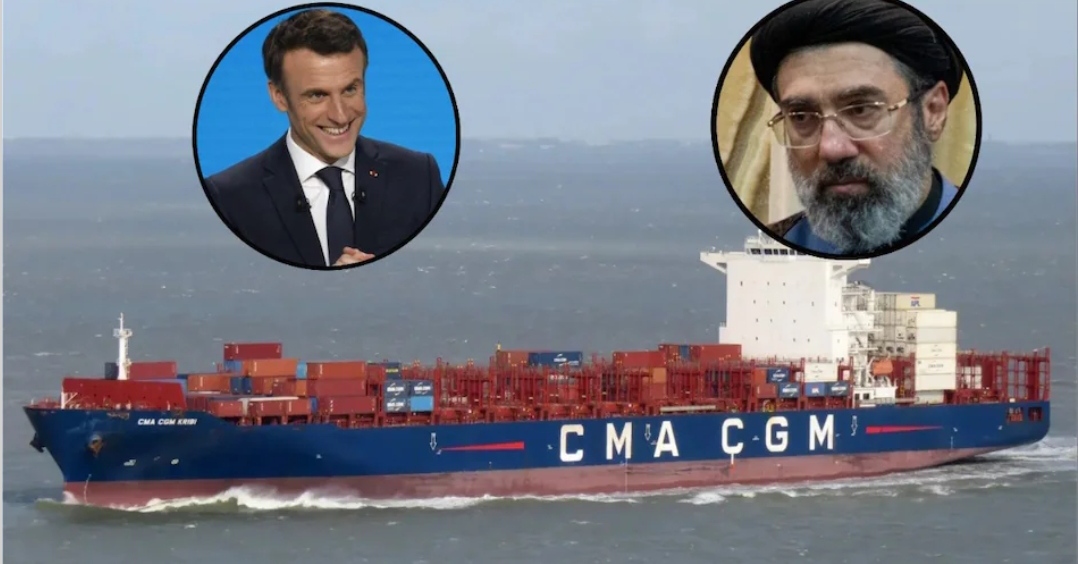
Meanwhile, Iran permitted a French-linked container ship to pass through Hormuz, signaling practical softening between the two nations. Ship tracking reports show the vessel had been stuck in the Gulf region due to prior tensions and now has clearance.
Diplomatic Implications
This development shows the Hormuz dispute is no longer just a military or security issue—it’s now intertwined with diplomacy, maritime trade, and major powers’ strategies. France aligning with Russia and China is viewed as a setback for the US, while Iran’s release of the ship sends a message of flexibility toward friendly nations.
New York/Tehran: Russia, China, and France vetoed a key UN Security Council resolution on the Strait of Hormuz. The proposal sought to open sea routes through military action but was rejected due to opposition from the three nations. It’s being hailed as Iran’s major diplomatic win. Meanwhile, Iran allowed a French-linked ship to pass through Hormuz, indicating signs of easing tensions between the two countries.
UN Veto by France, Russia, and China on Hormuz Crisis; Iran Gets Diplomatic Relief, French Ship Also Allowed Passage
Previous Article Next Article
ठुकरा के मेरा प्यार, इंतकाम देखेगी! SDM ज्योति मौर्य के पति आलोक ने UPPSC इंटरव्यू पास किया, फिल्मी कहानी बनने को तैयार!”
यूपी बोर्ड का बड़ा फरमान: 9वीं से 12वीं तक सिर्फ सरकारी/अधिकृत किताबें होंगी अनिवार्य