







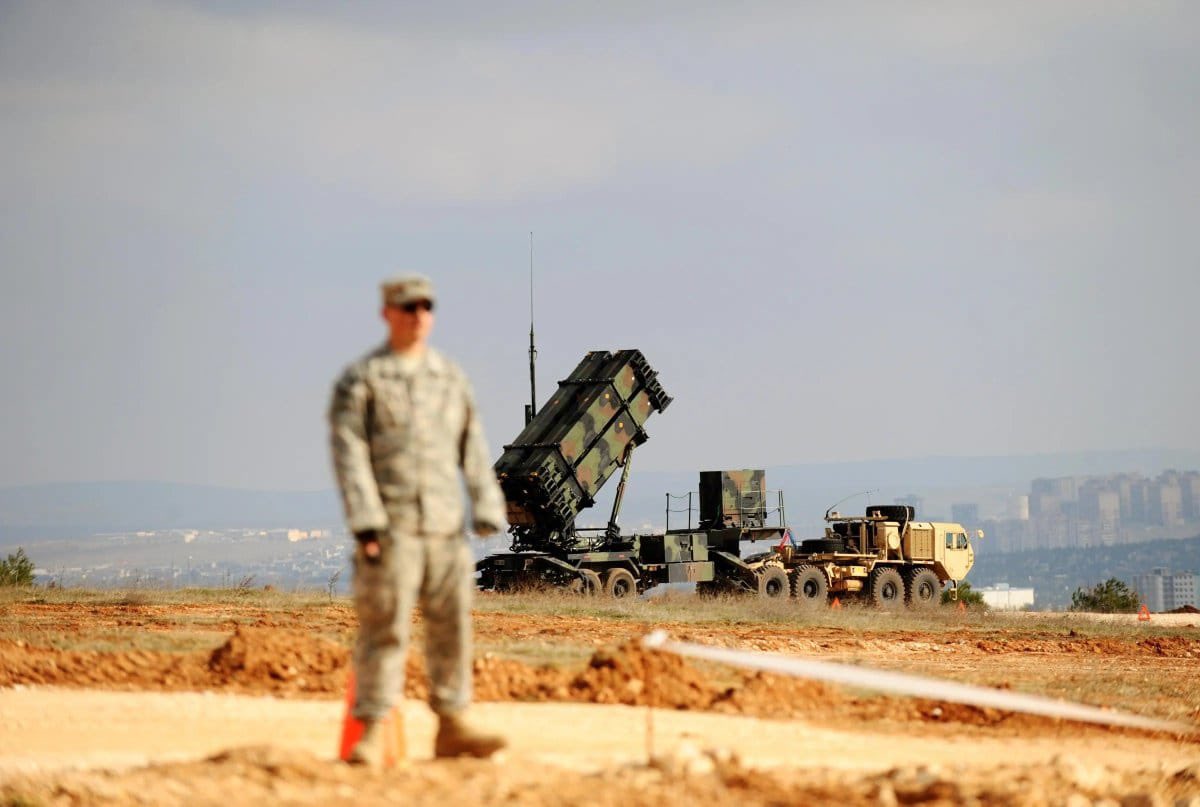
BREAKING: Major Pressure on U.S.-Gulf Patriot Interceptor Stockpiles in Iran War, Stocks Decline Rapidly
New Delhi, August 8, 2026: The impact of the prolonged conflict with Iran is now becoming visible on the missile-defense capabilities of the United States and its Gulf allies. According to recent reports, stocks of Patriot interceptor missiles, which have been used extensively to counter Iranian ballistic missile attacks, have declined significantly.
According to a Reuters report, the U.S. stockpile of Patriot interceptors fell by around 65 percent between February and July, with estimates suggesting that fewer than 1,000 interceptors now remain in the American inventory.
Meanwhile, Saudi Arabia reportedly used around 86 percent of its Patriot interceptors during the first 38 days of the war. Reports have estimated that Saudi Arabia initially had around 2,800 PAC-3 interceptors, with approximately 400 missiles remaining by April. However, the figure for the initial stockpile is difficult to independently verify and should therefore be treated as an estimate.
Other U.S. regional allies are also facing pressure over the availability of interceptors. Experts say that the wars in Ukraine and the Middle East have already sharply increased global demand for Patriot and other advanced air-defense systems.
The United States has accelerated efforts to increase production to address the shortage. Meanwhile, in January 2026, a potential sale of 730 additional PAC-3 MSE missiles to Saudi Arabia was approved, with an estimated value of $9 billion.
Has Iran Weakened U.S. Air Defense?
It is still too early to say that Iran has completely neutralized the air-defense capabilities of the United States or its Arab allies. However, the increasing consumption of interceptors due to repeated missile attacks has certainly become a major strategic challenge.
According to an analysis by CSIS, the U.S. Patriot inventory had fallen below 1,000 interceptors, while the stockpile of THAAD interceptors had declined to around 250. This could create difficult choices for the United States and its allies if they face large-scale missile attacks in the future.
The biggest question now is: If Iran continues launching large numbers of ballistic missiles over an extended period, will the United States and its allies be able to maintain an adequate supply of interceptors?
— Shabu Zaidi