




Tal Katora Karbala: A Unique Legacy of Faith, History, and Spirituality : Shabu Zaidi
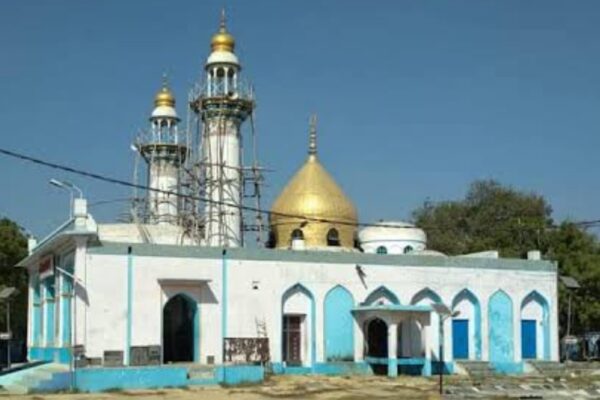
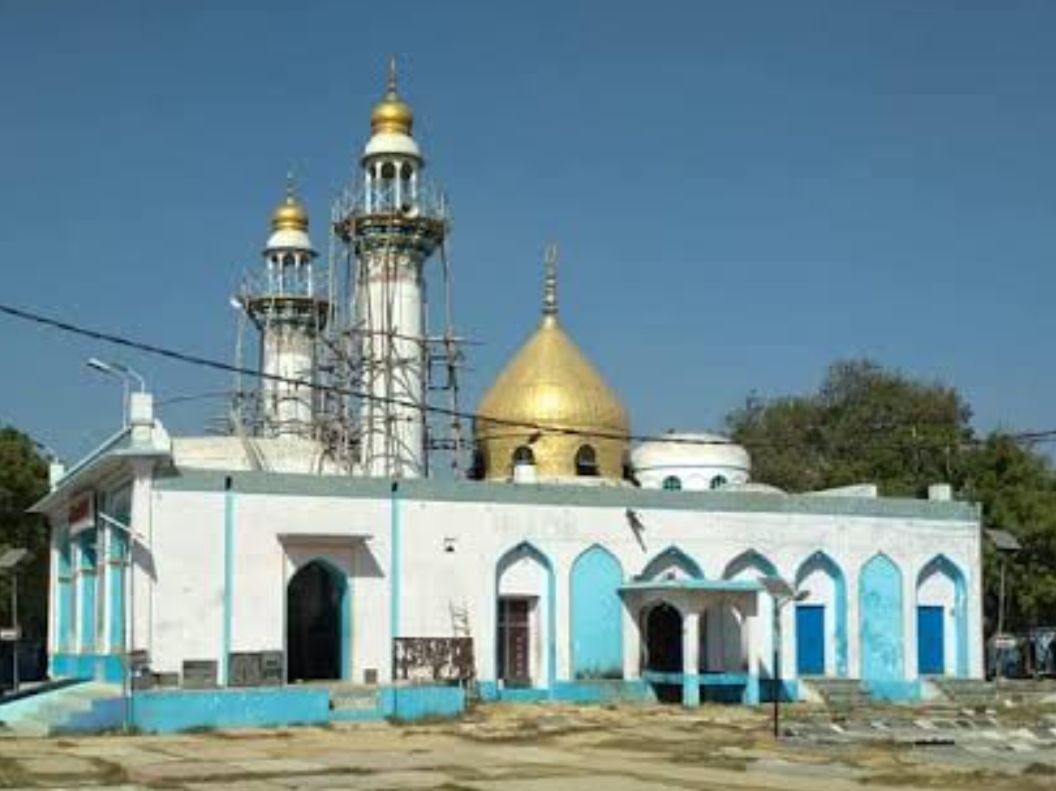
In Lucknow, the tradition of bringing Tazias to Tal Katora Karbala for burial and paying homage on the 10th of Muharram (Ashura) and Chehlum (Arbaeen) has continued since around 1817.
According to historical accounts, during the reign of Nawab Ghazi-ud-Din Haider, his special minister Mir Khuda Bakhsh owned approximately 23–27 bighas of land in Haricharanpur Kanouta, an area now known as Rajajipuram. A large pond existed in the middle of this land, and Mir Khuda Bakhsh’s employees lived nearby.
One Friday night, the employees reportedly witnessed a heavenly light descending around the pond and heard voices chanting, “Ya Hussain… Ya Hussain…” They informed Mir Khuda Bakhsh, who conveyed the incident to Nawab Ghazi-ud-Din Haider. It was then decided that a shrine in honor of Imam Hussain (A.S.) should be built at this sacred site.
To accomplish this, Mir Khuda Bakhsh traveled to Karbala, Iraq, where he obtained the architectural design of the shrine of Imam Hussain (A.S.). Tal Katora Karbala was subsequently constructed based on that design. Furthermore, just as Ganj-e-Shuhada (the Cemetery of the Martyrs) is located near the shrine in Karbala, Iraq, a similar Ganj-e-Shuhada was also established at Tal Katora, where it still exists today.
Another well-known tradition associated with this Karbala states that some native residents of Karbala, Iraq, prepared a small symbolic shrine using the sacred soil from the shrine of Imam Hussain (A.S.) and sent it to Lucknow. It was later placed safely beneath the dome of Tal Katora Karbala.
Gradually, people from across Lucknow began visiting this sacred place on Ashura and Chehlum to bury Tazias, perform mourning rituals, and offer prayers. Over time, this tradition became so renowned that today Lucknow’s observance of Ashura and Chehlum is recognized worldwide for its devotion and mourning ceremonies.
One famous narration associated with this Karbala tells of a very poor man who had immense love for Imam Hussain (A.S.) and the martyrs of Karbala. After overcoming great hardships, he reached Karbala and prayed, “My Master, I have come to your shrine. When my time comes to leave this world, please come to me.”
According to local tradition, after his death, when he was buried at Tal Katora Karbala, two radiant figures appeared around midnight and asked those present to call his family and relatives. They are said to have declared, “I am Hussain, and this is my son Ali Akbar. When this man visited our shrine, he requested that we come to him after his death.” It is believed that the man was buried near the shrine.
Mir Khuda Bakhsh also initiated the tradition of Munajat (midnight supplication) at this shrine. After the prayers, the Alam is carried in procession while mourners perform Matam and proceed towards Ganj-e-Shuhada. This tradition continues to this day with great devotion.
My late mother often told me that Ganj-e-Shuhada was once surrounded by dense forest. According to local elders, people would sometimes hear sounds resembling the roar of a lion during the night. These stories have been passed down through generations as part of the area’s oral traditions.
I would now like to share an incident that I personally witnessed and heard.
There was a man named Parvez Sahib who lived in our neighborhood. He has since passed away. Due to smallpox, he had lost both his eyesight and his ability to speak. Every Thursday night, his mother would bring him to Tal Katora Karbala, where the midnight Munajat was held before the Alam procession moved towards Ganj-e-Shuhada.
After several Thursdays, one night, when everyone had left, his mother briefly stepped away, leaving him near the shrine. According to Parvez Sahib, during that time a radiant figure approached him and gently placed a hand over his eyes. He said that his eyesight returned instantly and he regained his speech. He personally narrated this experience to me.
Another remarkable coincidence occurred later. One day, I was sitting at Tal Katora Karbala with a Hindu friend and narrating this very incident. At that very moment, I saw Parvez Bhai walking toward us wearing a black shirt. I immediately pointed him out to my friend, and Parvez Bhai personally recounted his entire experience to him.
I also told my friend that such experiences should never be imposed upon anyone or presented as absolute truth. What a person sees, hears, or experiences remains a matter of personal faith and belief.
Even today, one of the greatest distinctions of Tal Katora Karbala is that people from every religion, caste, and community visit this sacred place to offer Fatiha, pray, seek blessings, and fulfill their vows. This spirit of harmony truly represents the timeless Ganga-Jamuni Tehzeeb—the composite culture that defines Lucknow.
This historic and spiritually significant Karbala and cemetery have also been the subject of a long-standing legal dispute. In 2012, during the tenure of then Chairman Waseem Rizvi, the property was registered under the Shia Waqf Board, and a Mutawalli (custodian) was appointed. Professor Aamil Zarwali, a descendant of Mir Khuda Bakhsh, claims that this process deprived his family of their ancestral custodianship. He continues to pursue legal proceedings in court to reclaim what he describes as his hereditary rights. The matter remains pending before the court.
Finally, I request everyone to visit Tal Katora Karbala today, offer Fatiha, pray, and experience this priceless heritage of history, spirituality, and Lucknow’s unique Ganga-Jamuni culture.
Shabu Zaidi
+91 7617032786