




Mohan Bhagwat Says: ‘Gen Z Protests Are Not Against the Nation; Protest Is Also a Democratic Way to Reach the Government’
RSS Chief Interacts with Around 2,000 Gen Z and Gen Alpha Youths in Mumbai, Says the New Generation Must Be Heard
By Shabu Zaidi
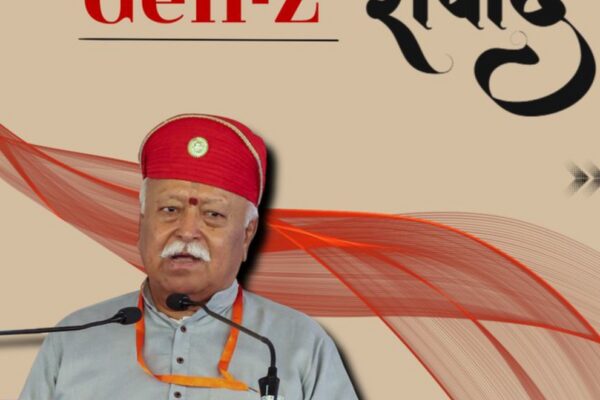
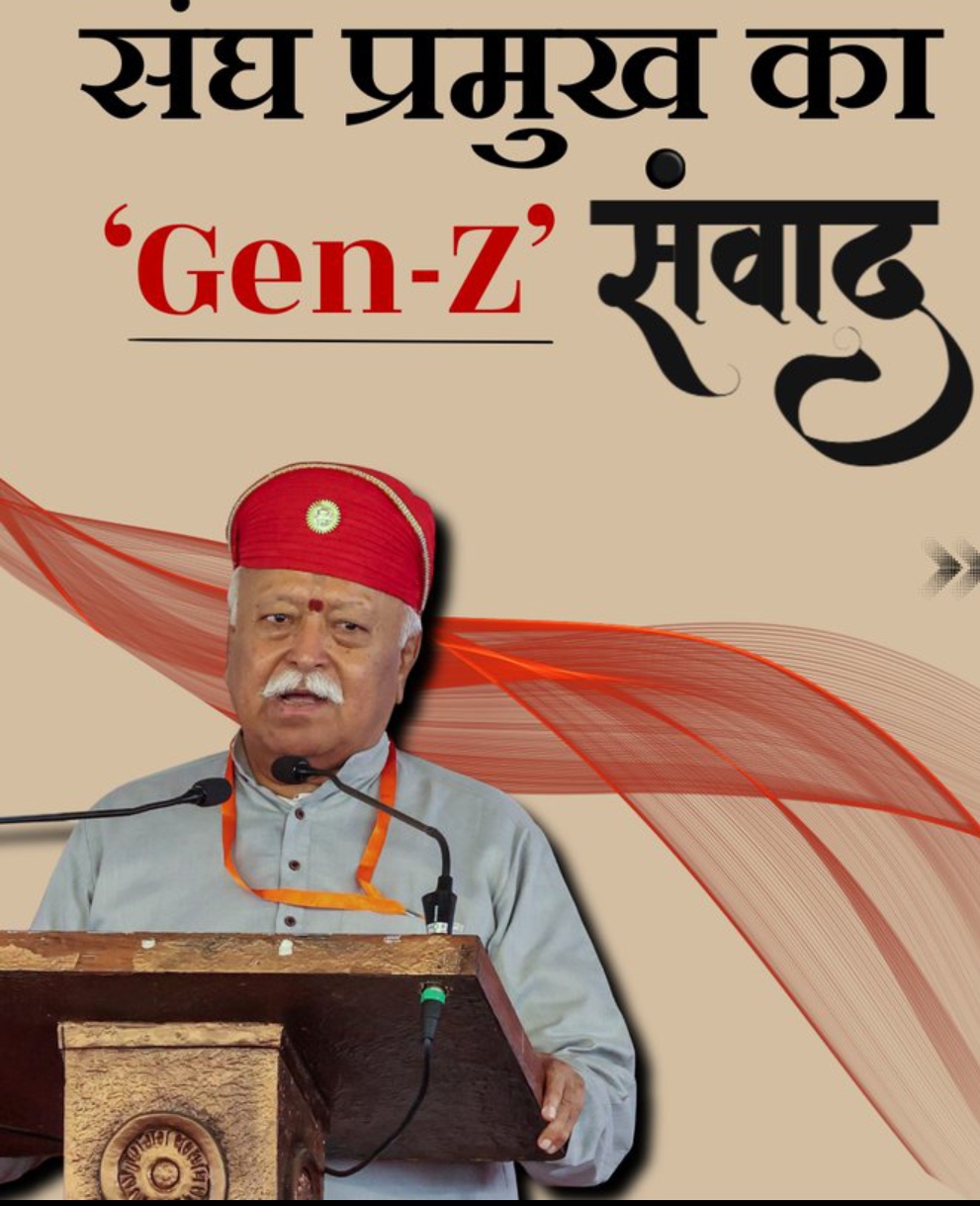
Mumbai, August 6, 2026: Rashtriya Swayamsevak Sangh (RSS) chief Mohan Bhagwat interacted with students and young people from Gen Z and Gen Alpha in Mumbai on Wednesday. During the interaction, he made important remarks about youth movements and protests. Bhagwat said that student protests, in themselves, should not be considered anti-national activities. In a democracy, protests and movements can also serve as a means of dialogue through which people can convey their concerns and demands to the government.
The interaction took place during an event organised by the India’s International Movement to Unite Nations (IIMUN), which was attended by around 2,000 Gen Z and Gen Alpha youths. The programme aimed to engage with young people and understand their views on various issues concerning India and the world.
‘Student Protests Are Not Wrong’
Mohan Bhagwat defended the democratic right of students to protest, saying that expressing one’s views through protests is a legitimate part of a democratic system. He indicated that if young people are dissatisfied with an issue, they have the right to raise their concerns before the government and society.
According to Bhagwat, a movement cannot be labelled anti-national merely because young people disagree with a government decision. He stressed the importance of understanding the grievances of students and youths and engaging with them through dialogue.
‘I Have Complete Trust in Gen Z’
The RSS chief expressed confidence in the younger generation and said that he has complete trust in Gen Z. He adopted a positive approach towards today’s youth, describing them as a generation that is willing to express its views openly.
Bhagwat also said that instead of immediately dismissing or criticising youth protests, their concerns should be understood. In a democracy, both disagreement and dialogue have their own place.
Emphasis on Dialogue with the Government
Bhagwat’s remarks come at a time when several issues concerning students and young people have led to protests and public debate across the country. Recent student movements have focused on issues such as examination systems, paper leaks and transparency in the education system.
Bhagwat emphasised that if the grievances of young people are heard and addressed through dialogue in time, many disputes can be resolved before they develop into larger movements. His message was that efforts should be made to turn confrontation into dialogue.
‘A Protest Is Not Against the Nation’
The most significant aspect of Mohan Bhagwat’s remarks was his rejection of the idea that Gen Z protests should automatically be viewed as anti-national.
He said that opposing a government policy or decision does not amount to opposing the nation. According to him, it is not appropriate to portray disagreement among young people as being against patriotism.
In a democratic system, questioning government policies, putting forward demands and peacefully protesting are all part of civic dialogue.
Direct Interaction with Gen Z and Gen Alpha
The Mumbai event was significant because the RSS chief directly engaged with the younger generation. Gen Z and Gen Alpha have grown up in an era dominated by the internet, social media and rapidly developing technology. Establishing meaningful communication with these generations is therefore an important challenge for political and social organisations.
Bhagwat stressed the need to listen to young people and understand their perspectives. His message was that the new generation should not merely be instructed; their questions, concerns and opinions should also be taken seriously.
Political Significance of the Statement
Mohan Bhagwat’s remarks are also being viewed as politically significant, particularly at a time when student movements and youth protests have become the subject of intense national debate.
Through his address, Bhagwat appeared to emphasise that the channel of dialogue between the government and young people should remain open in a democracy. His comments may be seen as a relatively positive and dialogue-oriented approach towards Gen Z and the concerns of the younger generation.
Conclusion
Mohan Bhagwat’s interaction with Gen Z and Gen Alpha in Mumbai was significant because he rejected the idea of automatically treating youth protests and disagreement as anti-national activities. He described democratic movements and protests as one of the ways through which people can communicate their concerns to the government and stressed the importance of dialogue with young people.
His message was clear: Disagreement is a part of democracy, but the objective of any movement should ultimately be to move towards dialogue and a solution.
— Shabu Zaidi