






Iran’s Diplomatic Push in New York, Offers to Reopen Strait of Hormuz Within 7 Days
“The one whose courage carries the spirit of Karbala,
whose every statement makes the halls of power tremble.
Surrounded by the enemy from every side,
the lions are still recognized on every battlefield.”
New York | Shabu Zaidi
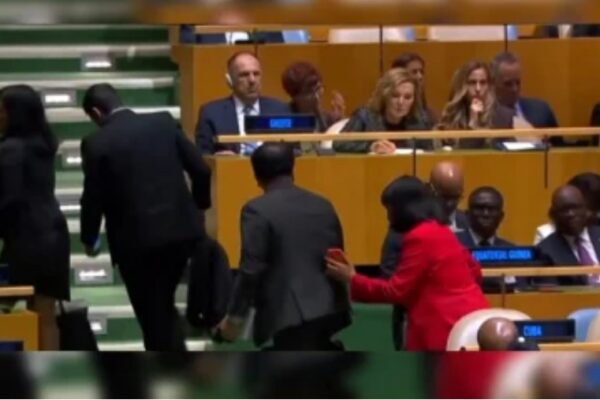
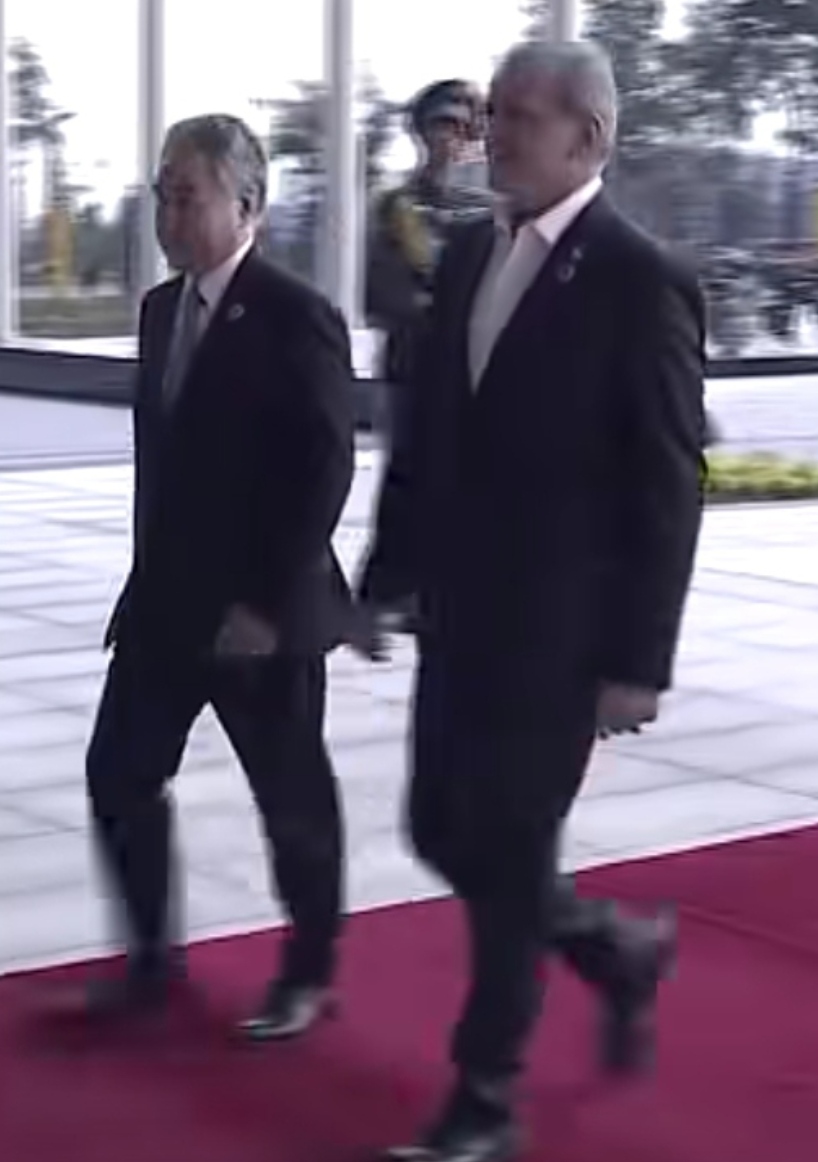
Iranian President Masoud Pezeshkian and Foreign Minister Abbas Araghchi have arrived in New York to attend the United Nations General Assembly. The Iranian delegation’s presence comes at a time when tensions between Iran and the United States remain high, while international discussions over the possibility of renewed negotiations are also intensifying.
New York Mayor Zohran Mamdani has previously made his position clear regarding Israeli Prime Minister Benjamin Netanyahu. In July, Mamdani said that his administration had examined the legal question of whether an International Criminal Court warrant could be enforced if Netanyahu visited New York. He later acknowledged that New York City does not have independent authority to enforce such a warrant and called on the U.S. federal government to take action.
Meanwhile, Iran has made an important proposal concerning the Strait of Hormuz. According to Reuters, a senior Iranian official said that if the United States reduces military pressure and takes steps toward lifting the blockade of Iranian ports, Iran would be prepared to reopen the Strait of Hormuz within seven days. Iran has also expressed a willingness to reopen the path to negotiations through intermediaries.
Another significant development is that the Iranian delegation has been authorized to pursue diplomatic discussions in New York. However, there has been no confirmation of a direct meeting between Iranian President Pezeshkian and U.S. President Donald Trump. Trump, meanwhile, has said that talks between the United States and Iran are continuing and that the possibility of reaching an agreement remains.
The Strait of Hormuz is one of the world’s most important energy routes. Therefore, any reduction in tensions and normalization of maritime traffic could have an impact on global oil markets, transportation costs and inflationary pressures. However, it would be premature to say that this would definitely lead to lower prices for ordinary people.
At present, New York has become a significant diplomatic arena, with the United Nations providing a platform for international engagement while efforts are simultaneously underway to reduce tensions between the United States and Iran. The coming days will be crucial in determining whether the path of dialogue can gain strength over military confrontation and what direction Iran’s proposal concerning the Strait of Hormuz ultimately takes.