



UP 2027: Where Are the Public Issues Amid the Seat-Sharing Tug-of-War? Shabu zaidi
Lucknow. As the Uttar Pradesh Assembly elections 2027 draw closer, political parties have intensified their statements and discussions over alliances and seat-sharing. Differences between the Samajwadi Party and the Congress over the distribution of seats have also become increasingly visible.
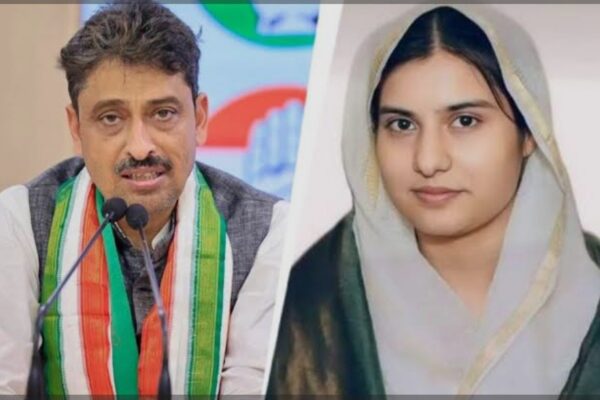
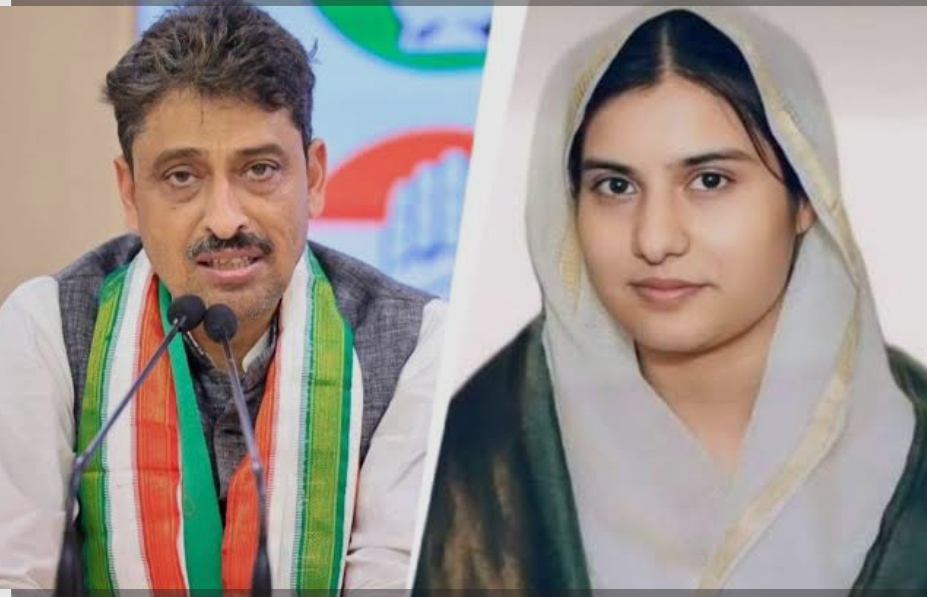
Congress MP Imran Masood has, on several occasions, said that the Congress wants negotiations over seat-sharing to take place on an equal footing and that it is not going to “beg” anyone for seats. On the other hand, Samajwadi Party MP Iqra Hasan recently responded that if the Congress contests the election alone, it could suffer losses, while the Samajwadi Party has its own strong grassroots base.
Amid this political atmosphere, a statement by former Vice President Mohammad Hamid Ansari referring to an earlier remark associated with Jawaharlal Nehru has also become a subject of political debate. At an event on September 19, Ansari cited A.G. Noorani’s book and referred to a remark attributed to Nehru regarding Hindu right-wing communalism as a serious threat to India. The statement drew objections from the BJP and several other political leaders.
But the question is: Will the political debate over the 2027 Uttar Pradesh Assembly elections remain limited to alliances, seat-sharing and political accusations?
The people of Uttar Pradesh also have concerns related to employment, education, healthcare, law and order, crime control, farmers’ problems, inflation, infrastructure and development. For voters, an important issue may be what political parties promise on these subjects in their election manifestos and how they implement those promises after coming to power.
In a democracy, elections are not merely about the mathematics of seats. Voters can also examine the gap between promises made in election manifestos and the work actually delivered during five years.
Therefore, the major question in 2027 will not simply be how many seats the Samajwadi Party and Congress agree to share or how many constituencies each party contests. The larger question will also be what clear roadmap political parties present to the people of Uttar Pradesh on development, security, employment, education and law and order—and how accountable they are for their previous record.
Ultimately, the final decision in an election rests with the voters. Political statements may become increasingly sharp, but in a democracy, the promises, policies and track record presented before the people remain important factors for voters to consider.